
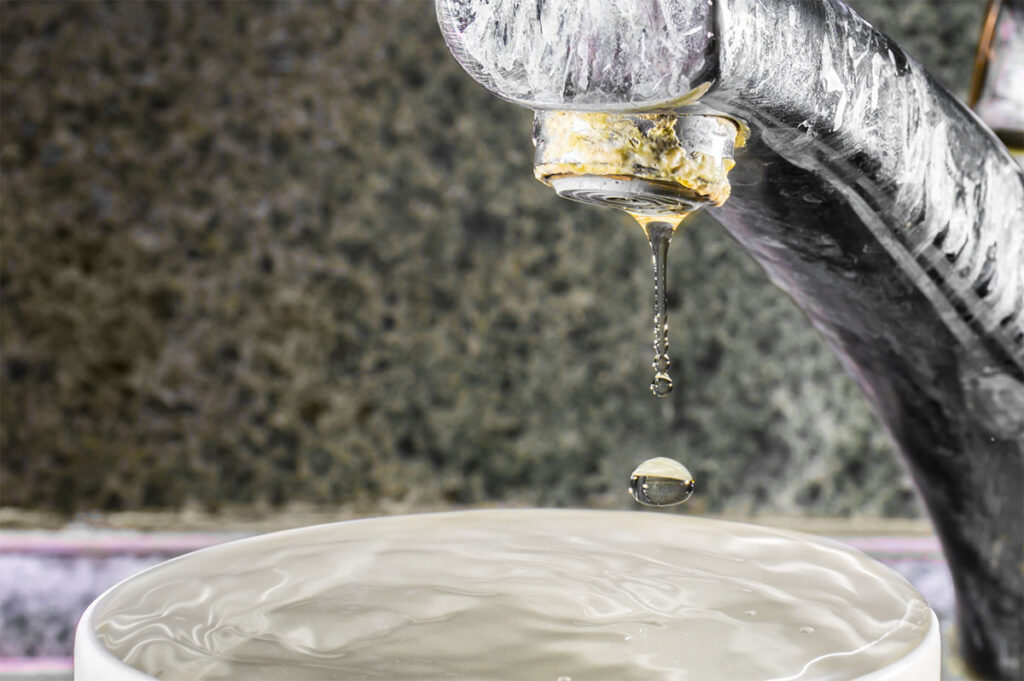
Limescale, that seemingly innocuous white, chalky deposit left by hard water, can quietly wreak havoc on your appliances, plumbing, and even your skin. While it may appear harmless, limescale can lead to a range of issues that, if left unaddressed, can result in costly repairs and decreased efficiency. In this blog, we’ll explore the damage limescale can cause and why it’s essential to combat its effects.
Appliance Inefficiency
One of the primary targets of limescale is household appliances that come into contact with water regularly. Over time, the accumulation of limescale in appliances like kettles, coffee makers, and dishwashers can impede the heating elements and reduce efficiency. This not only leads to increased energy consumption but also diminishes the overall performance of these appliances.
Reduced Lifespan of Appliances
The relentless buildup of limescale can significantly shorten the lifespan of your appliances. The strain on heating elements and other critical components forces them to work harder, ultimately leading to premature wear and tear. Regular descaling and maintenance are crucial to preserving the longevity of your appliances.
Clogged Plumbing Systems
Limescale doesn’t limit itself to visible surfaces; it can accumulate within your plumbing system as well. Over time, the deposits can form stubborn blockages, restricting the flow of water through pipes. This can result in decreased water pressure, slow drainage, and in severe cases, plumbing emergencies that necessitate costly repairs.
Appliance Malfunctions
Beyond diminishing efficiency, limescale deposits can cause malfunctions in appliances with intricate components. In water heaters, for example, the buildup on heating elements can lead to overheating and increased risk of component failure. Regular descaling is crucial to prevent such malfunctions and ensure the safe operation of appliances.
Skin and Hair Issues
Hard water, laden with limescale minerals, can have adverse effects on your skin and hair. The minerals in hard water strip the skin and hair of natural oils, leading to dryness and irritation. Individuals with sensitive skin may experience conditions like eczema exacerbated by the presence of limescale in water.
Stained Fixtures and Surfaces
Limescale doesn’t discriminate; it can leave its mark on fixtures, surfaces, and glass. Stains on faucets, showerheads, and glass shower enclosures are common. These stains not only detract from the aesthetic appeal of your bathroom but can also become increasingly difficult to remove over time.
Energy Inefficiency in Heating Systems
When limescale accumulates in heating systems, such as boilers or water heaters, it acts as an insulating barrier. This insulating effect forces heating systems to work harder to reach the desired temperature, resulting in increased energy consumption and higher utility bills. Regular descaling is essential to maintain the energy efficiency of heating systems.
Dishware and Glassware Damage
Limescale deposits on dishware and glassware can lead to visible spots and stains. Over time, these deposits can etch into glass surfaces, causing permanent damage. Dishwashers with limescale buildup may not effectively remove stains from dishes, compromising their cleanliness.
Impact on Water-Using Appliances
Washing machines, especially those using hard water, are susceptible to limescale accumulation. The deposits can affect the performance of these machines, leading to issues such as clothes not being adequately cleaned or a reduction in the lifespan of the appliance.
Environmental Impact
The energy inefficiency caused by limescale buildup in appliances translates into increased energy consumption. This not only leads to higher utility bills for households but also contributes to environmental issues associated with excessive energy use.
Conclusion
While limescale may seem like a minor inconvenience, its cumulative effects can result in a range of issues, from decreased appliance efficiency to skin and hair problems. Regular descaling, water softening, and preventive maintenance are essential measures to combat the damage caused by this grime. By addressing limescale concerns proactively, you can protect your appliances, plumbing, and overall household well-being.


